
Still Bearing Witness
By Michael P. Evans
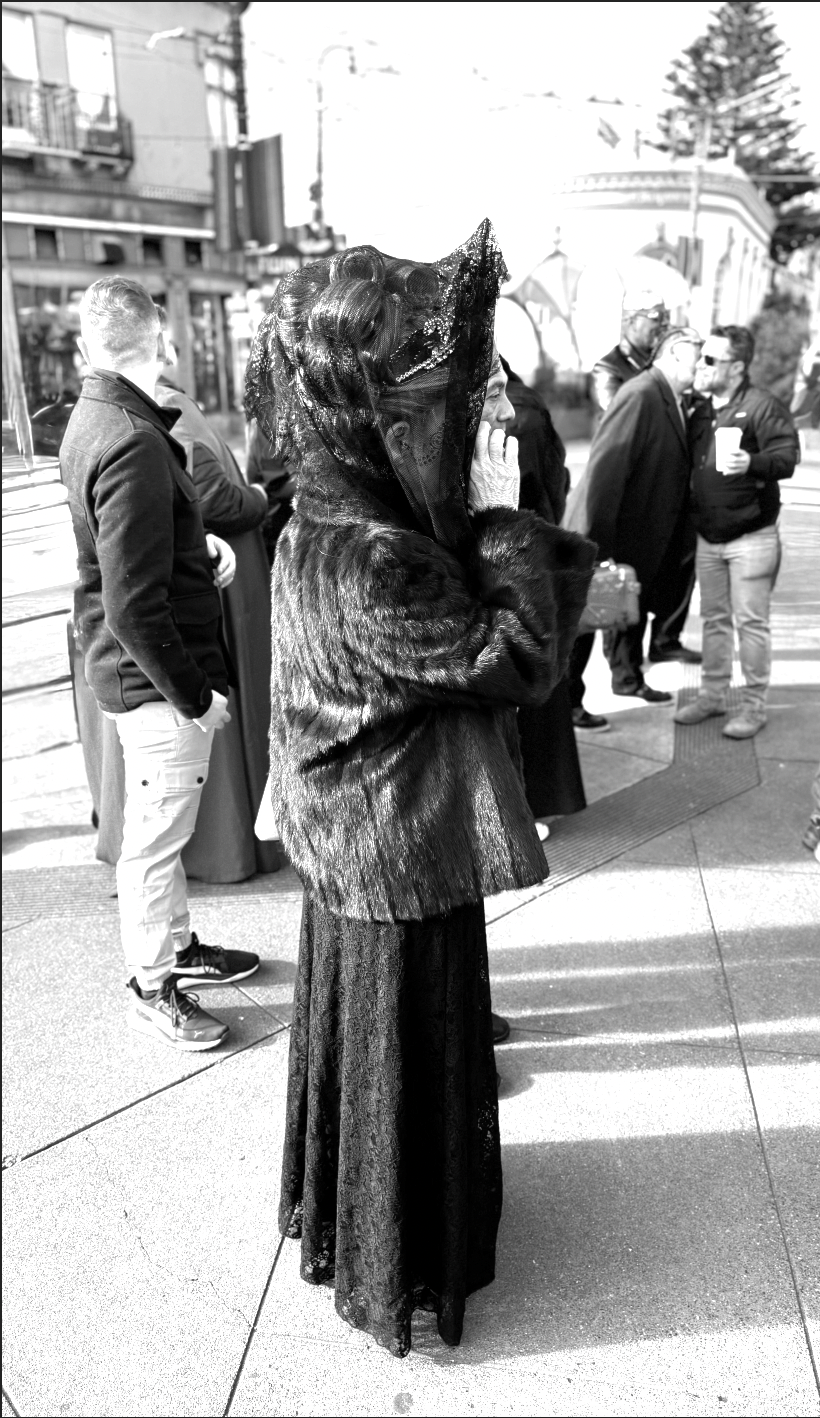
Late February in Jane Warner Plaza: rainbow flags snap in the wind, leather harnesses gleam beside black lace veils, and a procession gathers to clean Mama José Sarria’s plaque. José Sarria, also known as “Mama José,” Absolute Empress I of San Francisco, founded the Imperial Court System in 1965, turning camp and pageantry into a force for queer charity and survival. Each year, the Court makes pilgrimage from the Castro to his grave in Colma. At this stop, San Francisco Night Ministry staffed a table offering coffee, refreshments, and quiet presence amid the flamboyant solemnity.
I manned the table, pouring drinks for Imperial Court members from San Francisco and beyond. Among those gathered was Night Minister and newly elected Emperor John Brett. The scene was audacious and reverent: Mexican widow drag, leather, crowns, tears, laughter. SFNM has been part of this for decades. In the 1980s, as AIDS devastated the community, Night Ministers joined the full procession to Colma, sat at bedsides, and officiated funerals when families and churches would not. Today the role is smaller, with refreshments at one stop, but the heartbeat is the same: showing up for a community long ostracized, affirming inherent worth when too many voices said otherwise.
A few days later, I met a gay elder named “James” at Mary’s in the Haight. He moved to San Francisco 47 years ago and still loves the city with quiet fierceness. The 1980s, he said, were the best and worst of times. Gay life was electric, with over a hundred bars and venues. Joy one day, funerals the next. So many brilliant friends lost to the virus. And yet he spoke of miracles: skeletal men disappearing for months, then returning to health once antiretrovirals arrived.
James bartended at Twin Peaks Tavern back then. He remembered Night Ministers stopping by, clergy in collars who came for a drink and stayed to listen. “They were good men,” he said, eyes distant. “Non-judgmental. Present. They carried us through the dark.” He hadn’t thought of them in years, but the memory surfaced easily: drinks on the house, conversations about loss, a steady reminder that he was seen and valued.
He also remembered watching the Imperial Court processions through Twin Peaks’ big windows. The pomp in those days was more desperate, more transgressive, its solemnity born of grief. The Court, like Night Ministry, was part of what kept the community breathing.
Today James tends bar in a space that was once explicitly gay. Many old queer bars aren’t anymore, and he thinks that’s okay. “The city’s more open now. We don’t need exclusive spaces the way we did.” Legal protections, medical advances, and broader acceptance have brought a level of safety unimaginable in the 1980s. And yet trauma lingers in grief, in stigma, in the long shadow of loss. James’s nostalgia carries both pride in survival and a quiet ache for what was taken.
SFNM’s connection to the Imperial Court, to Castro streets, and to the bedsides of AIDS patients stretches back decades. From early relationships with the Tavern Guild to ministers standing alongside drag communities when few others would, Night Ministry bore witness in a time of profound crisis. The work has evolved, but the promise remains: radical presence, no prerequisites, no judgment.
On a windy February day in the Castro, as the plaque was blessed and mourners in widow drag paid homage, I saw that promise alive. And at a bar in the Haight, James remembered it too. In changing times, some things endure: the need to be seen, the power of showing up, the quiet assurance that, then and now, you are not alone.
